
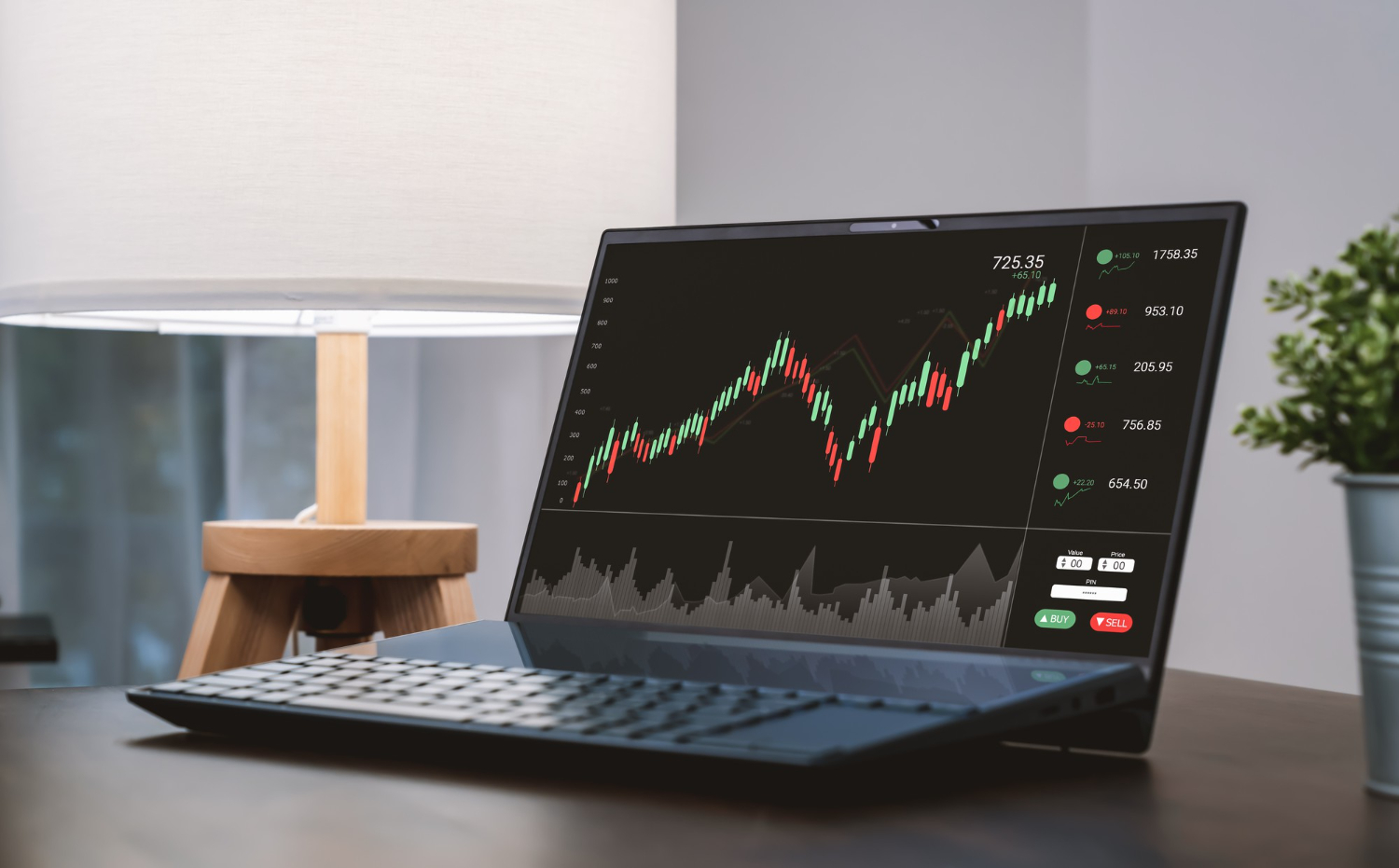
The Forex trading market in India presents a dynamic environment for traders aiming to capitalise on currency fluctuations, offering numerous opportunities for Indian traders to explore various trading strategies and leverage market conditions. Choosing the appropriate trading platform is of paramount importance for achieving success, as it can greatly influence the overall trading experience, incorporating factors such as platform stability, user interface, and security measures. This overview delineates essential features to consider, including regulatory compliance, available trading pairs, payment options, customer support, and selection criteria such as trading tools, demo account availability, and broker reputation. Furthermore, it provides a trading platforms comparison, outlining their advantages and disadvantages, while offering guidance to assist in selecting the most suitable platform for individual trading requirements, including considerations for margin trading and API access.
Overview of the Forex Market in India
The Forex market in India has experienced substantial growth in recent years, primarily driven by the increasing participation of Indian traders in global currency exchange activities. The emergence of online brokerage platforms has made trading more accessible, enabling Indian investors to engage with a variety of financial instruments, including currency pairs and trading strategies.
Consequently, it has become imperative for traders to comprehend the dynamics of the Forex market, particularly regarding market trends, trading volume, and execution speed.
Historically, the regulation of the Forex market in India has undergone significant evolution, with institutions such as the Reserve Bank of India (RBI) playing a pivotal role in maintaining a stable trading environment. The implementation of the Foreign Exchange Management Act (FEMA) in 1999 further refined these regulations, fostering transparency and providing protection for both retail and institutional traders.
The integration of advanced technology has revolutionised Forex trading for Indian traders, offering real-time data analytics and automated trading systems. These innovations not only improve trading efficiency but also give the power to traders to make informed decisions based on market fluctuations and trends, thereby enhancing their trading experience and overall success in the competitive Forex landscape.
Key Features to Look for in a Forex Trading Platform
When selecting a Forex trading platform, Indian traders must take into account several critical features that can significantly impact their trading experience and results.
Key considerations include the platform’s user interface, which should be intuitive and user-friendly, as well as the execution speed, which is essential for ensuring timely order fulfillment.
Additional important features encompass comprehensive trading tools, mobile trading capabilities, and customisation options that accommodate individual trading preferences.
Regulation and Legal Compliance
Regulation and legal compliance are critical elements in establishing a safe Forex trading environment, particularly for Indian traders who must navigate various Forex regulations set forth by regulatory authorities. A comprehensive understanding of these regulations enhances investor protection and assists traders in selecting reputable Forex brokers that adhere to stringent compliance standards.
Given the vast array of options available in the Forex market, it is imperative to recognise the specific legal frameworks designed to safeguard investors. For Indian traders, the guidelines established by the Reserve Bank of India (RBI) and the Securities and Exchange Board of India (SEBI) are fundamental in delineating permissible trading practices.
By choosing brokers that comply with these regulations, traders not only protect their investments but also gain access to a more dependable trading experience. These regulatory measures ensure that brokers operate transparently and maintain high standards of integrity, ultimately fostering a safer investment environment where traders can concentrate on their strategies without undue concern regarding potential fraud.
Availability of Indian Rupee Trading Pairs
The availability of Indian Rupee (INR) trading pairs is a crucial consideration for traders operating in the Forex market, as it directly influences their capacity to engage in currency exchange and utilize trading algorithms for better market analysis. Indian traders derive significant benefits from platforms that provide a diverse range of INR trading pairs, thereby enhancing their flexibility and opportunities within Forex trading.
A comprehensive understanding of the dynamics associated with these pairs can also enrich traders’ market analysis and inform their trading strategies.
These trading pairs not only expand the scope of potential transactions but also offer valuable insights into global economic trends and currency relationships. By utilising appropriate INR trading pairs, traders can effectively leverage market movements and mitigate risks, which is essential in the fast-paced realm of Forex trading.
The interconnection between the INR and other major currencies can unearth important correlations that aid traders in making informed decisions. Therefore, a thorough familiarity with these trading pairs equips Indian traders with the necessary tools to develop robust trading strategies tailored to their specific market conditions.
Payment Options and Transaction Fees
Payment options and transaction fees are critical considerations for Indian traders when selecting a Forex trading platform, as these factors directly influence overall trading costs and accessibility. Traders should seek platforms that provide a range of deposit methods and withdrawal processes to facilitate ease of transactions while maintaining competitive trading fees and transaction costs.
A comprehensive understanding of these elements can lead to more informed trading decisions and improved financial management.
The landscape of payment options in India has undergone significant evolution, accommodating the diverse needs and preferences of traders. Common methods such as bank transfers, credit and debit cards, e-wallets, and cryptocurrency deposits each possess distinct fee structures that can either facilitate or hinder trading activity.
For example, while e-wallets may offer rapid transaction times, they often come with higher service charges. Therefore, it is essential for traders to assess how these fees can accumulate over time, potentially impacting their trading strategies and profitability.
Platforms that emphasise transparency in transaction costs not only foster trust but also enable traders to make strategic choices that align with their financial objectives.
Customer Support and Education Resources
Robust customer support and access to educational resources are essential for Indian traders aiming to enhance their Forex trading skills and effectively navigate the complexities of the Forex market.
These traders gain substantial benefits from platforms that provide a wide array of educational tools, including live webinars and interactive trading simulators. Such resources not only equip them with critical knowledge regarding market trends and technical analysis but also facilitate a better understanding of risk management strategies.
By obtaining insights from experienced professionals through dedicated support channels, traders can refine their approaches and address challenges more effectively. This combination of strong customer assistance and high-quality educational content significantly increases the likelihood of successful trading, ultimately leading to more confident and strategic participation in the Forex market.
Comparison of Popular Forex Trading Platforms for Indian Traders
Comparing popular Forex trading platforms is crucial for Indian traders seeking to identify the most suitable options that align with their trading requirements and preferences.
By evaluating various platforms based on factors such as user experience, trading fees, customer support, the range of available trading tools, and mobile access, traders can make well-informed decisions that enhance their overall trading performance.
Reviews and feedback from fellow Indian traders offer valuable insights into the advantages and disadvantages of each platform, thereby facilitating the selection process.
Features, Pros, and Cons of Each Platform
This section will provide a comprehensive examination of the features, advantages, and disadvantages of various trading platforms available to Indian traders, offering insights into their usability and effectiveness.
A clear understanding of the strengths and weaknesses of each platform will assist traders in selecting the most appropriate Forex broker to fulfil their trading objectives. The analysis will emphasise key factors such as user experience, trading fees, and the available trading tools.
By exploring the different trading platforms, traders can more effectively align their choices with their individual Forex trading strategies and risk management approaches. Each platform presents distinct functionalities, including advanced charting features, automated trading systems, and educational resources tailored to various skill levels and trading styles, offering tools like trading signals and research tools.
User reviews provide valuable insights into critical aspects such as customer support responsiveness, platform reliability, and the overall learning curve associated with each option, helping traders assess compatibility and system requirements.
Additionally, expert reviews consistently highlight the significance of regulation and security features, ensuring that traders can operate with confidence and peace of mind in today’s dynamic market environment.
Tips for Choosing the Right Forex Trading Platform
Selecting an appropriate Forex trading platform is a pivotal decision that can greatly impact an Indian trader’s success and overall trading experience, considering factors such as order execution, spreads, commissions, and transaction fees.
This section will offer practical guidance to assist traders, including Indian traders, in making informed choices, emphasising essential factors such as security features, transaction costs, and the range of available trading tools. These considerations include trading costs like commissions and spreads.
Additionally, effective risk management and the capability to analyse Forex market trends are vital factors to consider when making optimal Forex trading decisions.
Considerations and Factors to Keep in Mind
When selecting a Forex trading platform, traders must consider several key selection criteria to ensure optimal trading performance and a seamless experience. Important aspects include evaluating leverage options, understanding trading fees, and ensuring robust security features that safeguard sensitive information.
The platform’s compatibility with various trading tools, including mobile access and trading software, and access to educational resources can significantly enhance the overall trading experience.
It is essential for traders to assess the trading platform’s user interface and charting capabilities, as these elements play a critical role in executing trades efficiently. A well-designed interface facilitates easier navigation, while advanced charting tools assist in technical analysis, enabling traders to make informed decisions based on historical data and real-time data analysis.
Customer support is another crucial consideration; responsive and knowledgeable support can help traders resolve any issues promptly, contributing to a reliable user experience.
Additionally, the availability of a demo account is advantageous, as it allows potential users to practise Forex trading strategies without risking real capital, thereby providing a clearer understanding of the platform’s functionality and its alignment with their trading style. This can also provide insights into the trading conditions and broker reputation.